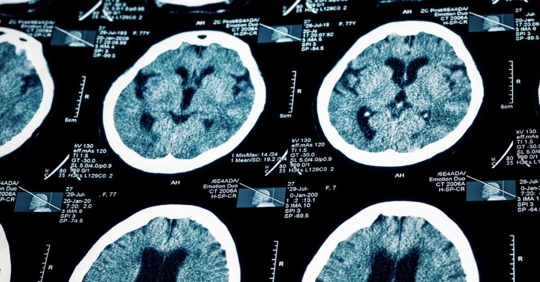
When people hear the phrase “mild traumatic brain injury,” they often assume the effects are temporary or insignificant. In reality, there is nothing “mild” about the challenges these injuries create. In medical terms, “mild” refers only to the initial presentation, such as a brief loss of consciousness, short-lived confusion, or a Glasgow Coma Scale score of 13 to 15. It says nothing about the long-term consequences a person may face.
Across Maine, we see clients whose so-called “mild” TBIs result in debilitating headaches, memory problems, and mood changes that disrupt every part of their lives. These symptoms can persist for months or even years, making it difficult to work, care for family, or enjoy activities that once felt effortless. Recognizing the true nature of these injuries is a crucial first step toward receiving proper care and support.
How Mild TBIs Happen
Mild TBIs often arise from everyday events — slips and falls, car crashes, sports accidents, and workplace impacts. Even when a blow to the head seems minor, or there is no direct trauma at all, the brain can move suddenly inside the skull, creating bruising or damage to delicate neural pathways. These internal injuries are not always visible on standard imaging, which is why they are frequently misunderstood or overlooked.
In Maine, falls are one of the leading causes of TBIs, particularly among older adults. Car crashes, even low-speed collisions, can also generate enough force to injure the brain. Regardless of the cause, seeking prompt medical evaluation is crucial. Early documentation and treatment can improve outcomes and protect your legal rights if another party’s negligence is involved.
Symptoms That Can Disrupt Daily Life
The symptoms associated with mild TBIs vary widely and do not always appear right away. Some people experience dizziness, confusion, or light sensitivity immediately after an injury. Others may not notice problems until days or weeks later.
Common ongoing symptoms include:
- Persistent headaches
- Difficulty concentrating or remembering information
- Sleep disturbances
- Irritability, anxiety, or mood swings
- Sensitivity to noise or light
These effects can interfere with work, driving, relationships, and basic daily tasks. For many Mainers, the most frustrating part is that these symptoms are invisible to others, creating a sense of isolation or disbelief when they need support the most.
Challenges in Diagnosis and Recovery
Mild TBIs can be difficult to diagnose. Symptoms often overlap with conditions such as PTSD, depression, migraines, or chronic fatigue, leading some patients to be misdiagnosed or dismissed altogether. Advanced imaging tools, now more frequently used in Maine’s medical community, can help identify subtle brain changes; however, clinical evaluation remains essential.
Recovery from a mild TBI is rarely linear. Some people experience improvement within weeks, while others face long-lasting complications that affect their cognitive, emotional, and physical well-being. Rehabilitation therapy, ongoing medical care, and structured rest can offer meaningful improvement, but these resources are not always readily available or affordable without legal help.
Protecting Your Health and Your Rights
When a mild TBI is caused by someone else’s negligence, injured individuals may be entitled to compensation for medical care, lost income, and the profound changes the injury brings to their lives. Because these injuries can be misunderstood and underestimated, it is essential to work with a law firm experienced in complex brain injury cases.
At Berman & Simmons, we have spent decades helping injured Mainers secure accountability and the resources they need to move forward. We understand the science, the medicine, and the real human impact behind every TBI case, and we know how to build strong, compelling claims on behalf of our clients.
A Path Toward Recovery
If you or a loved one is experiencing symptoms of a mild TBI, don’t wait for them to “just go away.” Proper diagnosis, treatment, and legal guidance can make all the difference. The team at Berman & Simmons is here to answer your questions, connect you with resources, and advocate for your future.
Contact us for a confidential conversation about your options and the support you deserve.